A Professional's Take on the Doctor Icon for Modern Embroidery
When a graphic lands on my screen for potential embroidery work, my first thought is always about the thread. I imagine the paths the needle will take, how the shapes will translate from flat vectors into textured stitches, and what kind of project will give this design a true, tangible purpose. The Doctor Icon Vector with Face Mask Male immediately struck me as a design with clear, contemporary utility. Its mood is professional, trustworthy, and timely—a straightforward symbol of care and expertise.
The Shape and Personality: Where This Icon Finds Its Home
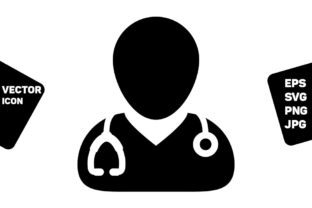
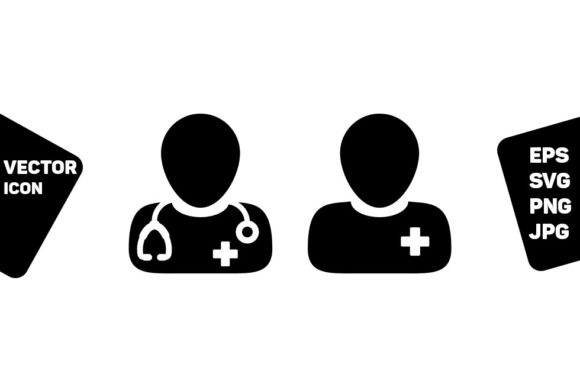
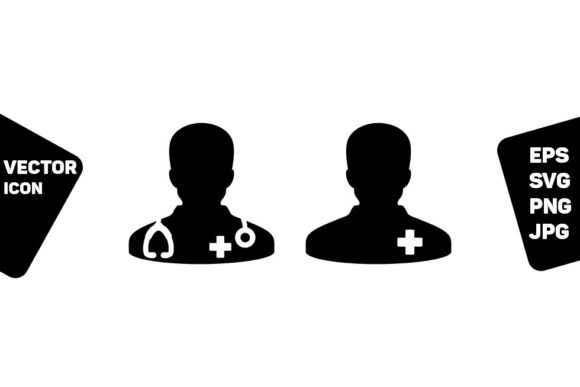
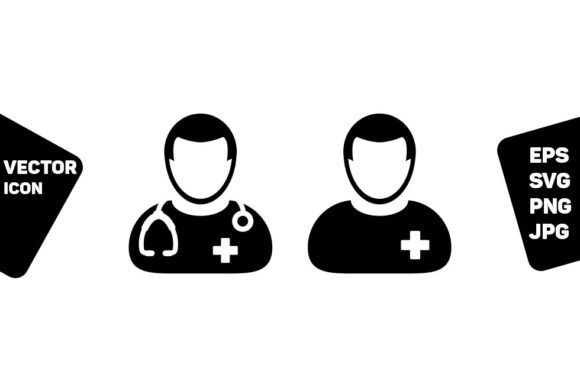
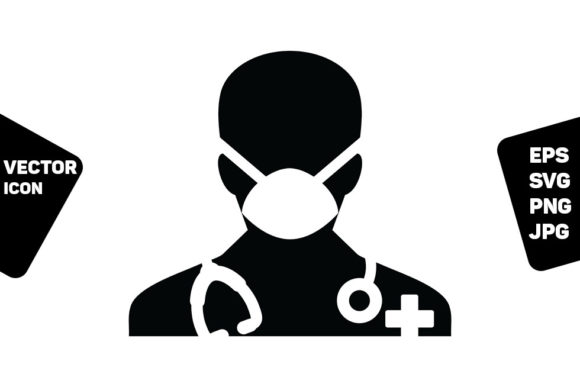
The design presents a classic glyph or pictogram style: a clean, single-line profile of a doctor with a mask and stethoscope. This simplicity is its greatest strength for embroidery. The lines are well-defined, and the detail level is intentionally modest, avoiding overly intricate corners that could blur or pucker under satin stitches. This isn't a whimsical, cartoonish character; it's a symbol. Its visual personality leans toward authority and recognition, making it feel like an emblem rather than just a decoration.
This tells me it naturally belongs to projects where clear communication is key. I pictured it embroidered on a tote bag for a nurse celebrating graduation, or as a subtle, thoughtful detail on a pillow cover for a healthcare worker’s home office. It would work beautifully as a single, centered motif on a custom sweatshirt for a medical team, or as part of a series of icons on an apron for a clinic’s volunteer. The design feels ready for real-world use, not just digital mockups.
Translating the Vector into Thread: Real Project Considerations
Let’s walk through a real scenario. Say a client requests a custom embroidered cap as a gift for their doctor. Using the Doctor Icon Vector with Face Mask Male as the primary artwork, I’d first consider scale. On a curved surface like a cap, the design’s clean, contained shape is a benefit—it can be sized appropriately without losing its recognizability. The stethoscope loop and the profile’s outline need enough space to be clear, so I’d avoid shrinking it too small for a standard 3-inch hoop area.
On fabrics, this icon performs well on stable, medium-weight materials like cotton twill for caps, canvas for tote bags, or fleece for sweatshirts. Its solid form would translate well into a fill stitch for a bold look or a running stitch outline for a more minimalist, modern feel on baby items or delicate kitchen towels. However, on highly textured or very stretchy fabrics, the distinct edges of the mask and face profile could require careful stabilizer choice to maintain stitching clarity.
Where This Design Elevates Your Work and Where to Be Cautious
From a business perspective, this icon directly affects product value and customer trust. For a crafter or Etsy seller creating holiday gifts for medical professionals, this design adds an instant layer of thoughtful relevance. It’s recognizable, which boosts buyer engagement—people understand it immediately. On a handmade product like an embroidered patch or a tea towel, it conveys professionalism and care, aligning perfectly with brands that serve the healthcare community or want to offer supportive gifts.
That said, its use requires some practical checks. The design should be used carefully on very dark fabrics if the intended thread colors are light; contrast is crucial for the icon’s glyph style to pop. On small items like baby clothes or where the embroidery area is limited, test the design size on scrap fabric first to ensure the stethoscope detail doesn’t become a dense, stiff knot of stitches. Also, for products destined for frequent washing, like aprons or blankets, reviewing the stitch density in your embroidery file is wise—a too-dense fill stitch might not wear as gracefully over time.
Notes for the Embroidery Designer Before Hooping Up
My process with any new design like this always involves a few key steps. I would strongly advise testing the Doctor Icon Vector with Face Mask Male on a piece of scrap fabric that mimics your final project material. This reveals how the lines interact with the fabric texture. Check thread color contrast against your background—a simple black-on-white or white-on-dark test can save a project. Inspect the small details in your embroidery software: the area around the mask and the ear needs to be cleanly defined.
Since this is provided in multiple file formats like PNG, SVG, EPS, and JPG, confirm you have the correct, clean vector file for your embroidery software to digitize into a stitch file. This is especially important for commercial embroidery projects where consistency is paramount. Always confirm the licensing terms before selling finished items or digital products derived from this graphic. Can it be used for personal and commercial projects? That answer is foundational for small shop owners and digital product sellers.
The Final Stitch: A Design Ready for Meaningful Projects
Ultimately, the Doctor Icon Vector with Face Mask Male is a workhorse design. It’s not overly flashy, but it’s precisely crafted for a moment in time and for a community we often want to honor. Its strength lies in its straightforward application to custom apparel, boutique merchandise, and personalized gifts that carry a message. It would stitch out cleanly on a tote bag for a craft fair, look dignified on a nurse’s holiday sweater, and serve as a reliable asset for a small business creating branded items for a medical office.
For the embroidery designer, crafter, or entrepreneur, it offers a clear path from digital file to finished product. By paying attention to fabric choice, scale, and stitch type, you can turn this icon into a tactile, appreciated piece of work. It reminds us that good embroidery design isn’t just about aesthetics; it’s about placing a recognizable, respectful symbol onto something real that someone will use, wear, or gift—and that’s where the true value of a design like this is realized.